
 UK Time Trial Events




Stage 1 of the Tour de France this year is a 19.6km lap of Barcelona. The weird thing about this year’s tour is that riders get their own individual time on GC, rather than the entire team getting the same time as the 3rd or 4th rider across the line. This opens up a conundrum for teams of where they burn their riders. It’s likely we will see a number of pacing strategies throughout the stage, with some teams keeping more riders for longer and others having riders peel off early.
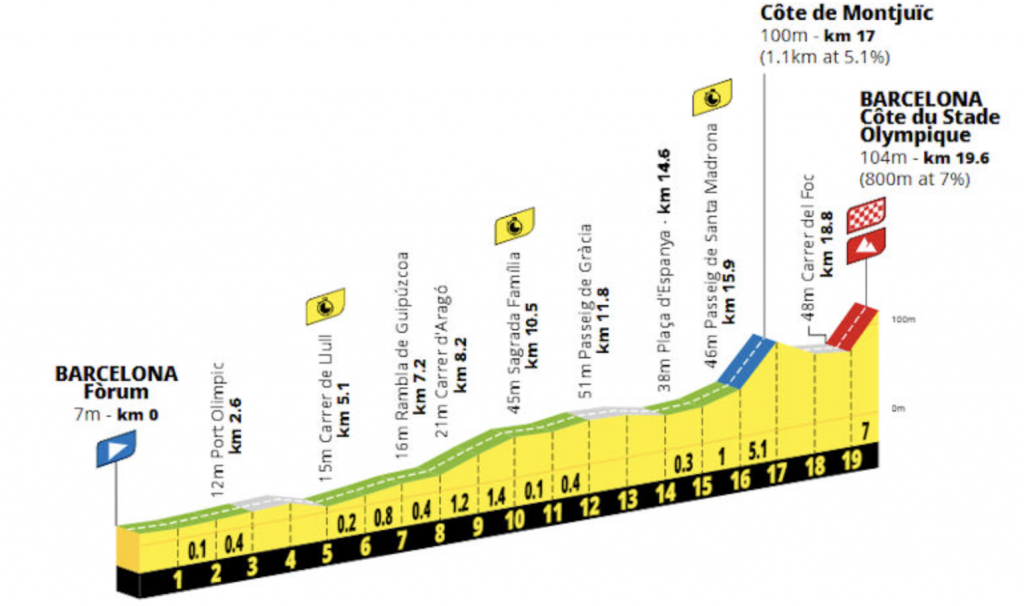
Some useful information
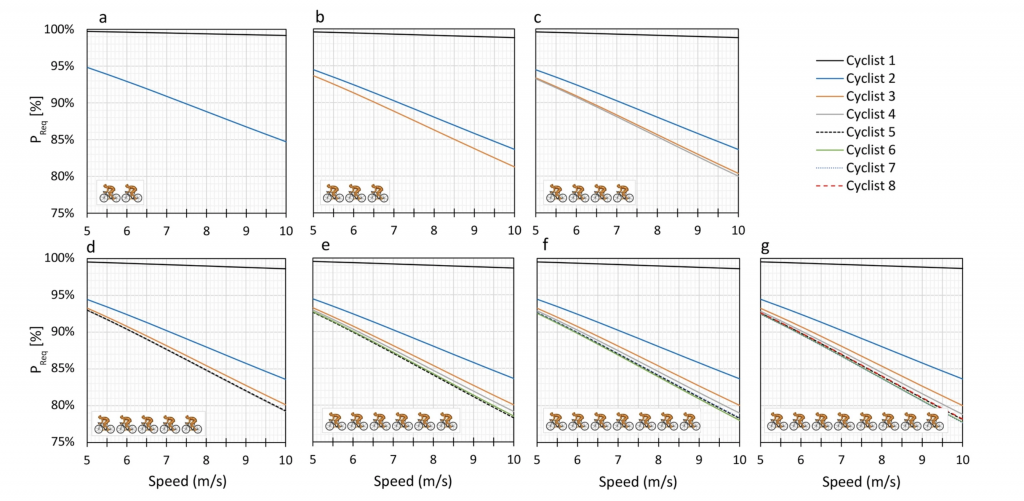
If you’re travelling up a 7.5% gradient, this study modelled the impact of drafting at various speeds.
Our recommended strategy for using riders
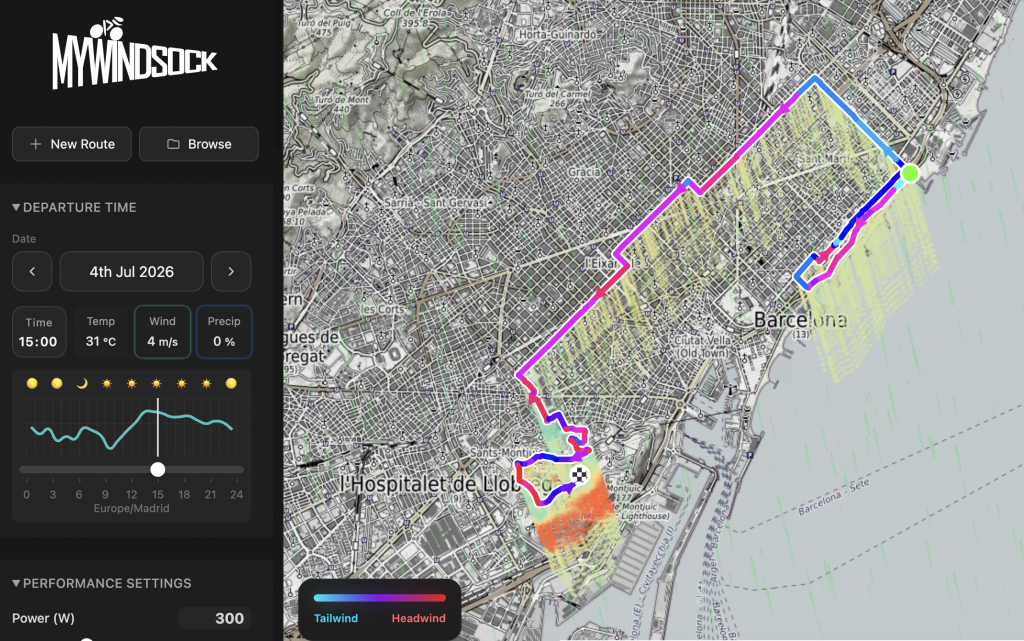
As the rules have recently changed, teams will most likely employ a wide variety of strategies during Stage 1. The forecasted wind being low added to the fact that central Barcelona is sheltered from the wind with tall buildings means the majority of our attention will go to the elevation profile rather than wind. The climbs themselves are draggy so the riders will ascend them extremely fast and drafting will play a large role on these climbs. Overall average speeds on this course will be high.
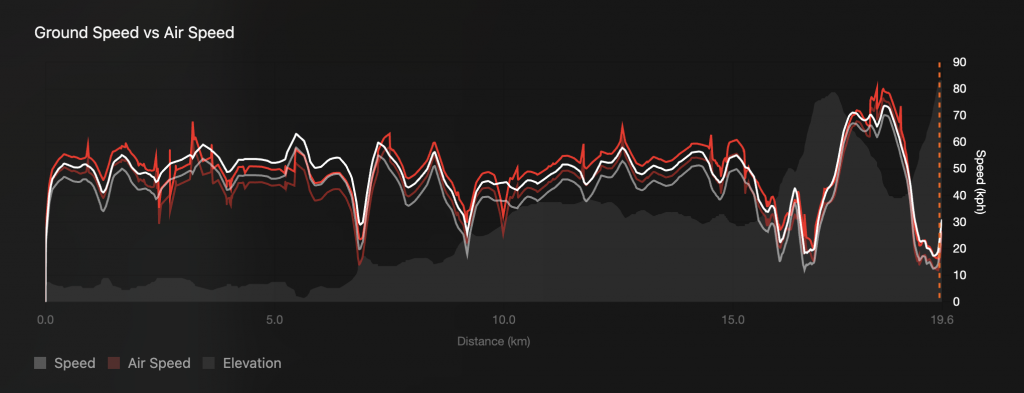
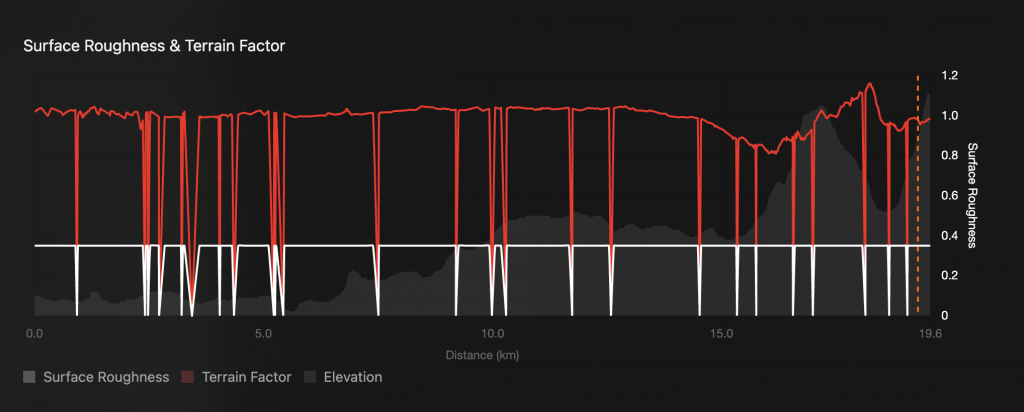
We know a team starts with eight riders and they’ll want two or three for the final climb (depending on who their GC guy is and their physiology), the second to last climb will take two to three riders doing a final full gas 45 second turn each.
A best starting point for a pacing strategy as a result of this is all eight riders sharing the work for the first 15km with two guys pulling double turns and doing a final turn each into the bottom of the penultimate climb.
That leaves 6 riders into the bottom of the second to last climb. This climb is the shallower and longer of the two and will probably be ridden between 90 seconds and 2 minutes. Using two riders there leaves you with four into the final climb.
Alternatively, for teams like UAE and Visma with proportionally stronger GC riders, they might want to use more riders pulling shorter, harder turns on that second to last climb to allow their GC rider to do a harder final effort.
A not so well kept secret is most of the teams are using myWindsock to plan their pacing strategies, you can too here.
