
 UK Time Trial Events




Yesterday, we predicted a winning time of 42:54 in the Giro d’Italia stage 10 time trial. Ganna, unsurprisingly, won the stage but he did so in a time of 45:53, almost 3 minutes slower than we predicted the winner would go. In his daily vlog, Victor Campenaerts said to Ganna that Visma had predicted his time as quite a bit faster than he ended up going.
On the vlog, the pair of them were discussing the rough road surface, which can lead to around double the rolling resistance as we see on a smooth surface. Ganna was almost exactly 1km/hour slower than we predicted him to be.
How does rolling resistance actually work?
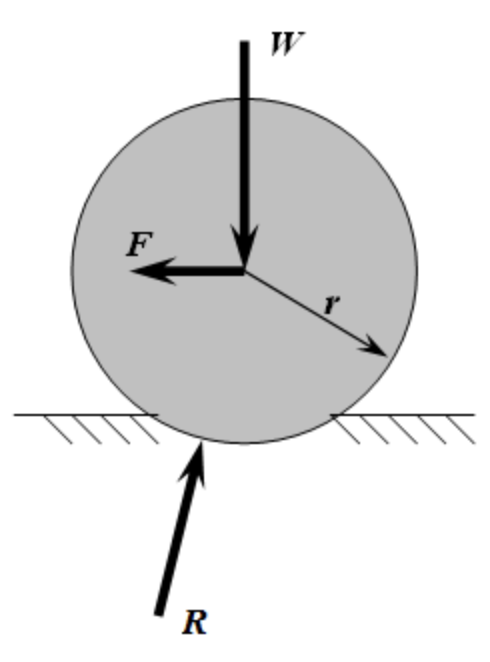
Rolling resistance is the force that slows a bicycle down as the tires roll over the road. A cyclist must continuously supply power to overcome this resistance, even at a constant speed. The main cause is that bicycle tires deform when they contact the road surface and the rougher the road surface, the more deformations there are. Tires are not perfectly elastic, so some energy is lost as heat instead of being fully returned and on a warm day, rolling resistance can actually increase significantly – especially as the road surface also heats up.
Because of this, riding on rough asphalt requires more power to maintain the same speed compared with smooth asphalt. For cyclists, smoother roads generally feel “faster” because less energy is wasted overcoming rolling resistance.
The power required to overcome rolling resistance is directly proportional to the bike-rider system mass multiplied by the speed of a rider – so the bigger and faster you are, the more this impacts you.
Making excuses
The winner of Stage 10 of the Giro, Ganna, is as big and fast as pro cyclists get. As a result, the unexpectedly rough roads will have had a larger absolute impact on him compared to other riders.
If you think you can do a better job of estimating your next time trial time, which you probably can, check out myWindsock here.
