
 UK Time Trial Events




They’re often cold, statistically windy and most definitely slow (according to the laws of physics) – so why on earth should anyone do an early season time trial? Well, there are many reasons it’s worth embracing a slow time and a cold morning and this blog will talk you through them. Here in the UK, we have CTT and their listings of early season club TTs are substantial. There’s probably two or three viable options for every rider in the UK each weekend and it’s nice to see some strength in British bike racing.
The benefits of an early season TT are…
- They help you gather information on how your winter training has gone
- You gain some performance data to help you prepare for bigger goals
- It’s a good chance for a win
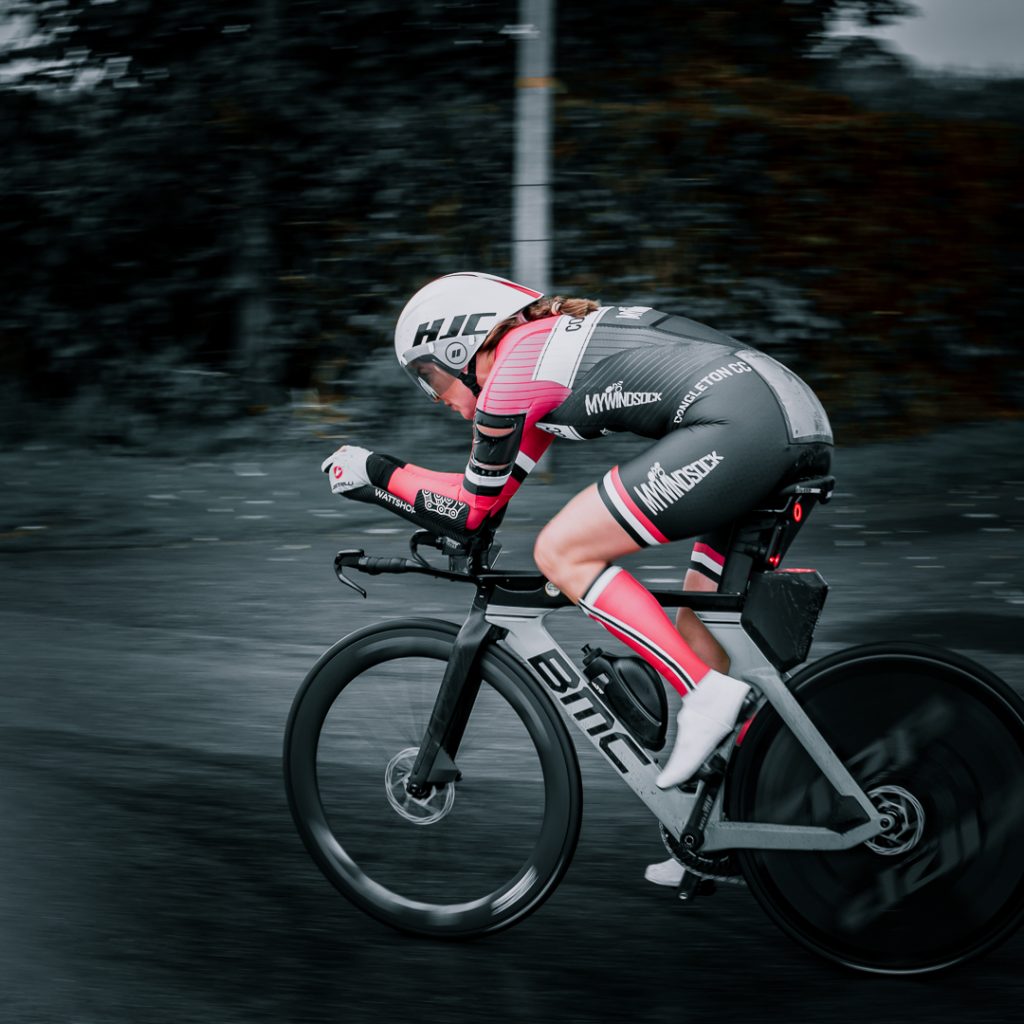
Early season TTs are a great test of form. You can see how your power goes down on the road, in the TT bars which is something you can’t achieve in a Zwift race. There’s a level of satisfaction achieved from a power PB on the A4 that one can’t achieve in Watopia. Getting power out on the road is not the same as indoors either, and it’s vital to ensure your indoor numbers translate outside before big late season goals come round.
They can also act as fantastic training sessions in their own right, doing a club time trial as part of a longer ride can break up the long ride and be a great replacement for some otherwise slightly boring intervals. For me, they allow me to get a little bit more out myself than I’d be able to achieve from just chasing power numbers with an added element of specificity.
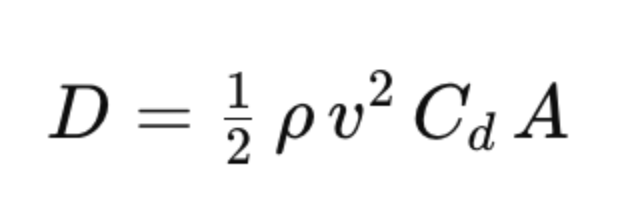
We know that early season time trials are slower and there’s a physics based reason for this. Drag force is directly proportional to the density of air.
When the temperature drops, the air molecules have less energy which means they float around a bit slower. This means, in any given imaginary box of air, there’s more air particles in it as each individual particle takes up less space over time (as it moves slower than if it was warmer). As such, a cyclist on a cold day literally has to push more air out of their way than on a warm day.
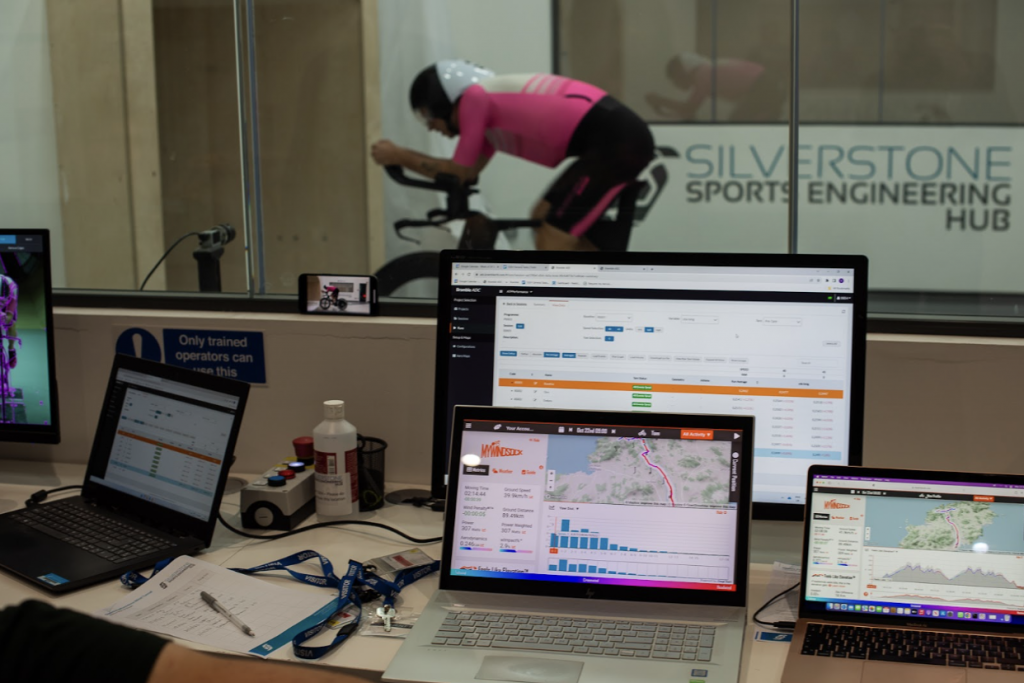
This simple bit of physics shouldn’t put us off though, as we can rearrange this nice equation and replace the air density with “summer numbers” after the race to calculate our “fast day equivalent” time (or just use myWindsock, of course). We can also dial in equipment choices from our winter’s aero tests, be they in the mirror on the turbo or at Silverstone.
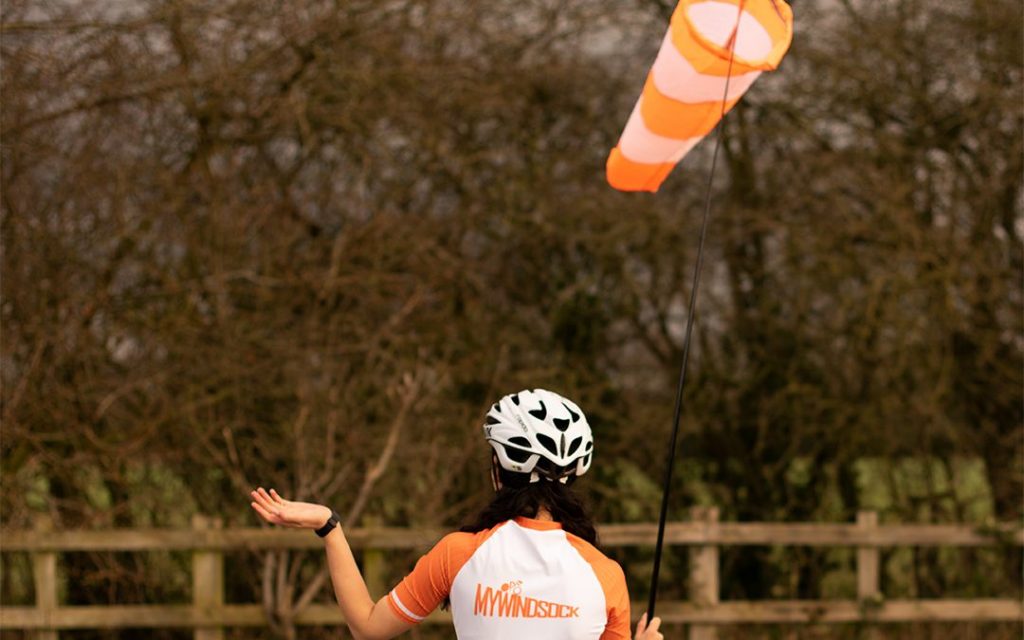
These early season time trials are a great opportunity to achieve some finish positions not usually attainable at the slightly more competitive mid summer TTs when all the hitters finally come out of their shed. Whether it’s an age group result, a top 10 or a win that you’re gunning for an early season time trial can have a softer field which never hurts morale heading toward summer. As well as the reasons we laid out, we asked CTT’s new chair, Tim Smith, if he had any ideas. He mentioned to us that it’s a great opportunity for riders to ‘see friends they may not have seen over winter’ as well as bringing up the raw love of racing that many time trialists share – a great reason to do any race.
If you want to prepare as well as you possibly can for early season races, sign up to myWindsock here. You can find a TT event to race in here.
