
 UK Time Trial Events




It’s no secret that here at myWindsock we love a TT and with 5 time trials on the first Sunday of March this year it’s fair to say we are well and truly back. Early season Time Trials aren’t all about PB times though, as there’s a lot of factors that can make them a bit trickier – even if you have great legs from a perfect winter of training. It can be cold, the air feels thick and the wind can blow! This blog will discuss how these conditions can impact your ride.
The Temperature
It’s no secret that it can be cold in March. In a TT, being very cold can blunt your ability to sustain high power as the cold shifts you away from the “sweet spot” of muscle and core temperature. Peripheral vasoconstriction reduces skin blood flow to preserve core heat, while muscle temperature drops, slowing contractile speed and nerve conduction. This makes each pedal stroke feel heavier so the same perceived effort can yield less power, especially during surges or on rises.
Cold can also increase breathing discomfort and stiffness, and if you start the TT even slightly chilled, you often spend the opening minutes “paying back” heat debt rather than settling into an efficient rhythm. In real-world pro cycling, a pilot study reported that cold conditions (with wind-chill–adjusted temperature around ~8°C) were associated with meaningful changes in power, speed, cadence, heart rate, and core temperature, suggesting performance can be limited when conditions and airflow overcool riders.
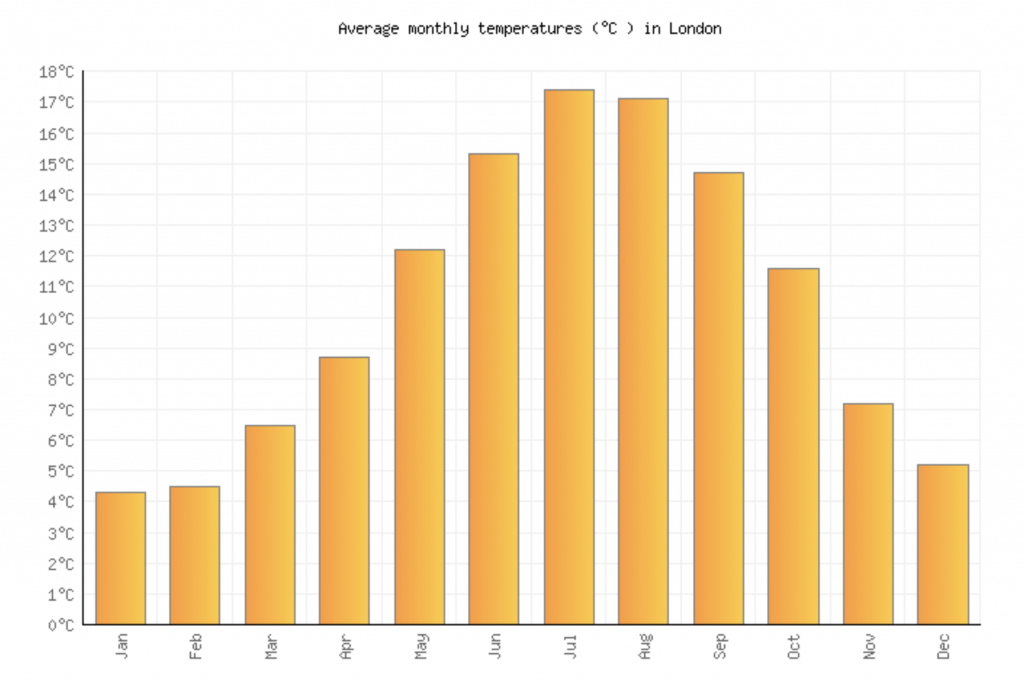
It is possible to mitigate the cold and this is mostly about starting warm and staying warm without overheating. Do a longer, more progressive warm-up where logistics allow it and minimise the gap between your warm-up and the start. Getting your layers right is important too, a breathable base layer can add a little warmth and keeping your hands and feet warm can reduce the impact of the cold significantly.
The Wind
In my experience, the early season TTs are often the ones most likely to get cancelled for wind and 4 out of my 5 worst all time wImpacts on rides have been in the UK in March.
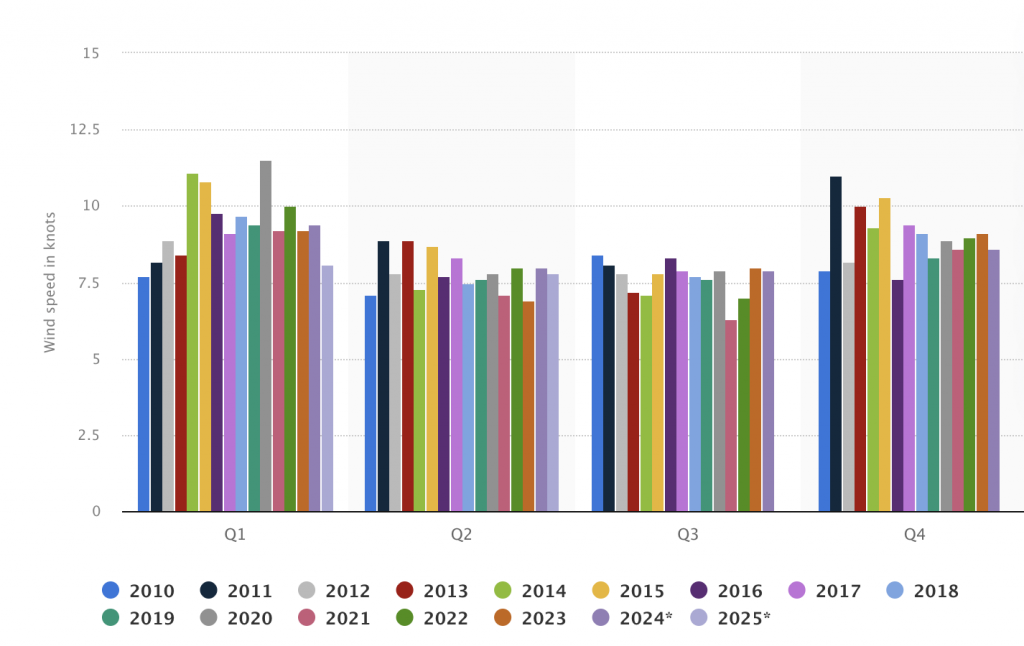
We all know that riding with a headwind makes you slower, and a tailwind makes you faster but something that goes under-appreciated is how important bike handling can be in the wind. Getting comfortable handling your TT bike can save you valuable seconds during short TTs.
The Air Pressure
Cold air is more dense. When air cools down, its molecules lose energy and move more slowly. As they slow down, they don’t spread out as much and instead pack closer together. Imagine a room full of people: if everyone is moving around quickly, they spread out and bump into each other less; if they’re moving slowly, they tend to cluster more tightly. In the atmosphere, this means that at lower temperatures the same volume of air contains more molecules, making it heavier and more dense than warm air.
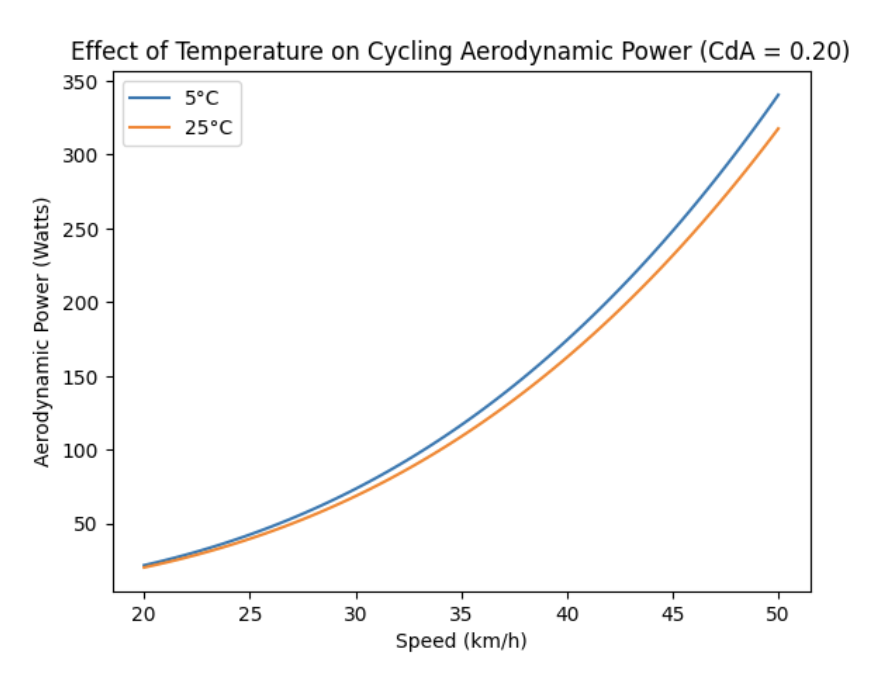
Early season time trials are rarely straightforward. Between colder temperatures, denser air and gusty winds, March can test more than just your FTP. While you can’t control the weather on race day, you can control how you prepare for it. Turning up properly warmed up, dressing smartly, pacing with the conditions in mind and being confident handling your bike in the wind can make a meaningful difference. The riders who perform well in these events aren’t always the ones chasing PBs, they’re the ones who manage the conditions best.
Stay prepared for any race day conditions with a myWindsock subscription.
