
 UK Time Trial Events




Every grand tour used to contain a long flat time trial but these days they’re becoming more and more rare. Truthfully, we miss them and the organisers of the Vuelta must have been reading our minds because they’ve bought it back, though we’d prefer for it to be 50km like the good old days.
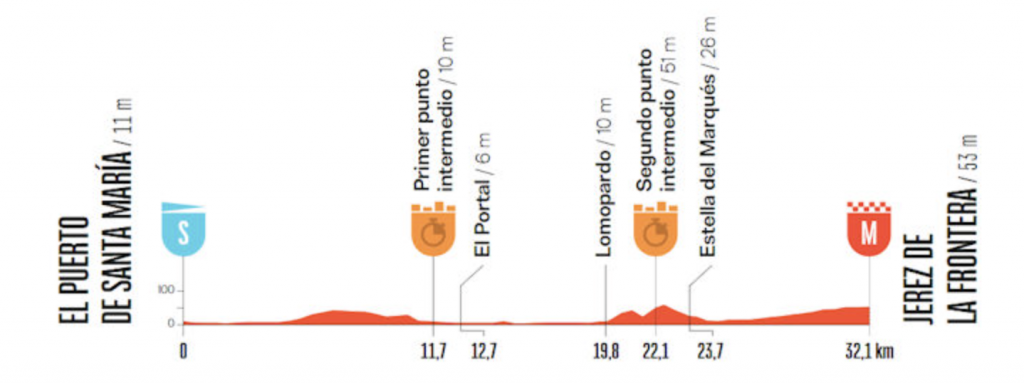
The course map
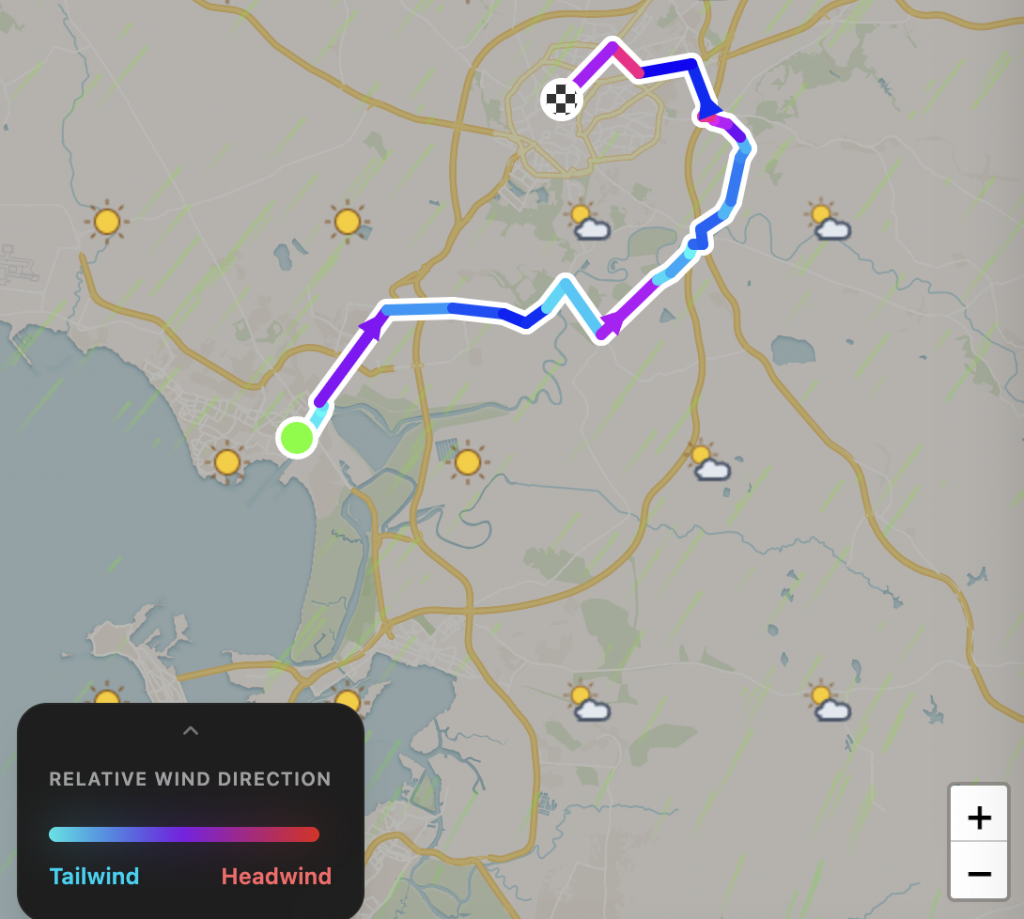
The wind map and surface friction
Anyone who’s ridden their bike in coastal European towns will be familiar with the wind. We’ve all left a town into the open areas and found ourselves suddenly being thrown around by the wind between hedgerows and buildings. That’s why we developed the surface friction mapping at myWindsock.
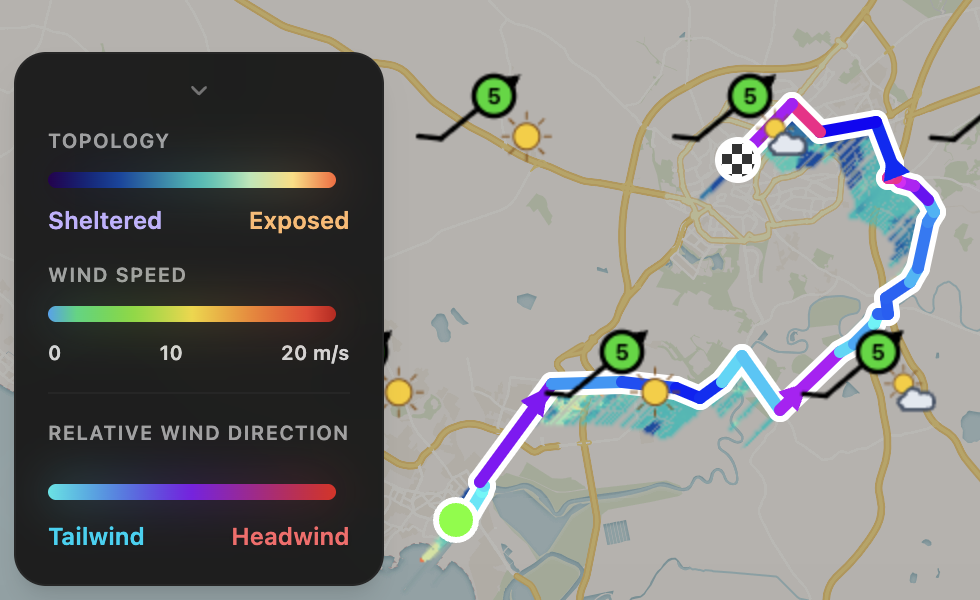
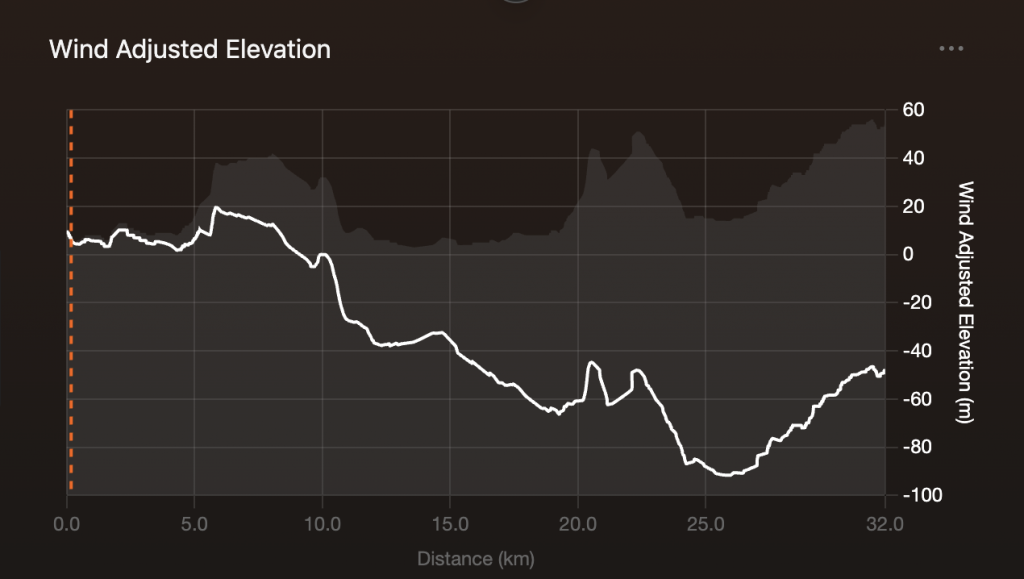
The race is forecasted to be majority tailwind which means that the windiest part of the day is actually the fastest.
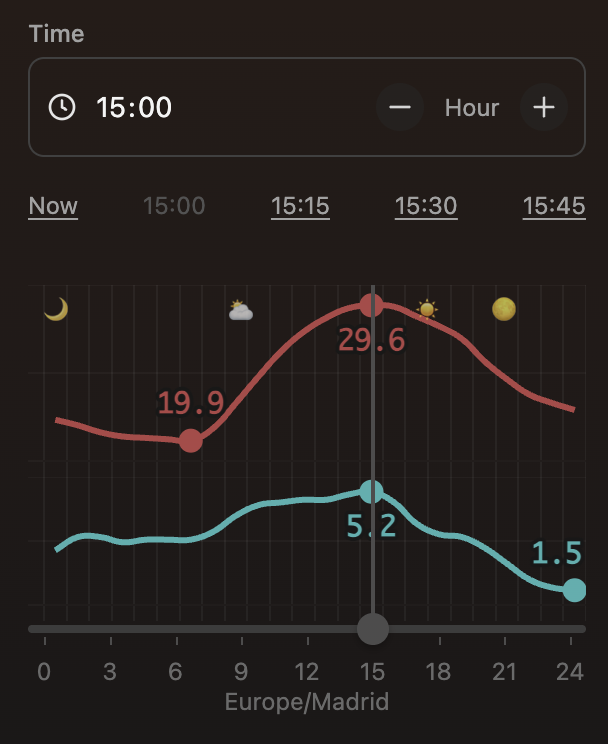
There’s a ten second difference between setting off at 15:00 compared to 17:00, so there’s not a lot in it but we’ve seen world tour time trials of this distance won by smaller margins.
How hard is it to gain two minutes?
To have any chance of winning this Vuelta, Roglic will have to ride this TT about 2 minutes faster than Mas. Given this will be the target, how good a performance is actually needed to pick up two minutes on a “bad” time trialist?
A bad time trialist in the Vuelta is a pretty good time trialist:
Enric Mas will probably not mind us saying that, relative to other riders at his level, he’s never been the best time trialist. Reportedly, he weighs about 61kg and has a sustained 40 minute power of around 370W. Let’s say he’s about 4% lower power on the TT bike than the road bike (this is the upper end of “average”) then we can guess he will ride around 355W for this TT. We’ll assume his cda is 0.2, it’ll likely be a little lower but as he’s not a TT specialist he will also sit up a bit, so that’ll drag his average cda up slightly. We will assume his mechanics have him on fast tyres and a fast drive-train.
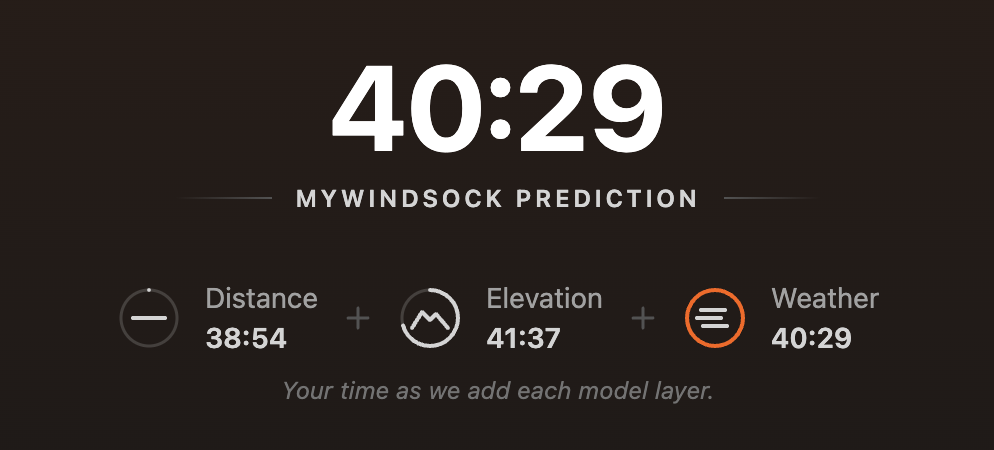
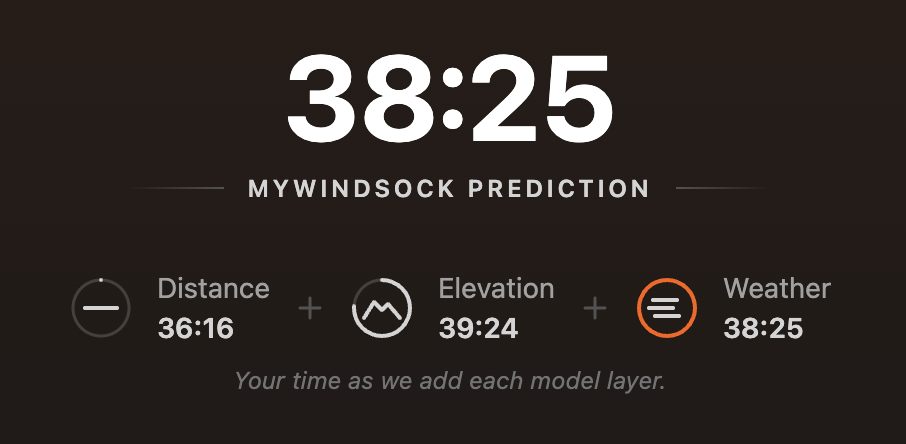
In order to challenge on GC, a top GC rider will need to produce a time of 38 minutes and 30 seconds. What kind of performance does this require? Let’s go back over some of our assumptions and put them into “peak TT Roglic” mode.
Back in the day, Roglic wasn’t just a ‘good for a GC guy’ time trialist, he was great. He’s reported to be at a weight of 65kg, which is a couple of kg heavier than Mas. During this Vuelta, he’s been climbing at a similar, but slightly slower, rate as Mas. Based on his track record though, we can estimate him to be slightly more aerodynamic as well as have a slightly lower power loss in the TT position.
We will assume his sustained 40 minute relative power is 1% lower than Mas at the moment, based on their climbing performances so far during this race. This gives him an estimated 390W to play with, but we’ll assume he loses only 2% of this relative to Mas in the TT bars instead of Enric’s 4% drop off. That means our estimated TT power for Roglic during this TT is 383W. We will also assume a cda of 0.19, we could be more aggressive with this estimate but he’s currently struggling from the impacts of a crash in training before the Vuelta started.
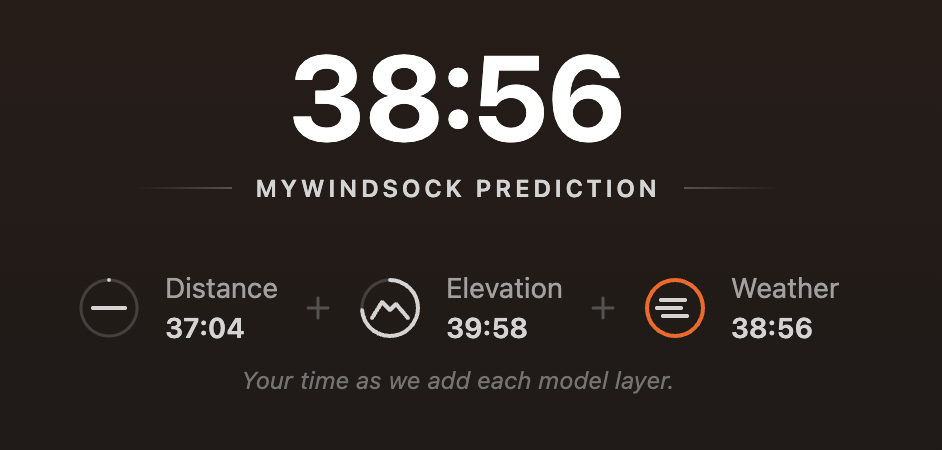
Now, in order to get that two minute gap back, he will have to take some risks on pacing. Let’s now assume he’s magically slightly more aero at 0.18 and loses no power in the TT bars. This is essentially the best possible day that Roglic could conceivably have…
This blog scratches the surface of how World Tour Cycling Teams use myWindsock to prepare for time trials. If you want a detailed look at Stage 18 of the Vuelta – you can check out the forecast here.
